Embark on a journey into the intricacies of Unity Temple’s Building Envelope: Design Insight, delving into the essence of architectural marvels and design nuances that shape this iconic structure.
Unravel the secrets behind the unique features and construction techniques that define Unity Temple's building envelope, showcasing a blend of tradition and innovation in architectural design.
Overview of Unity Temple’s Building Envelope
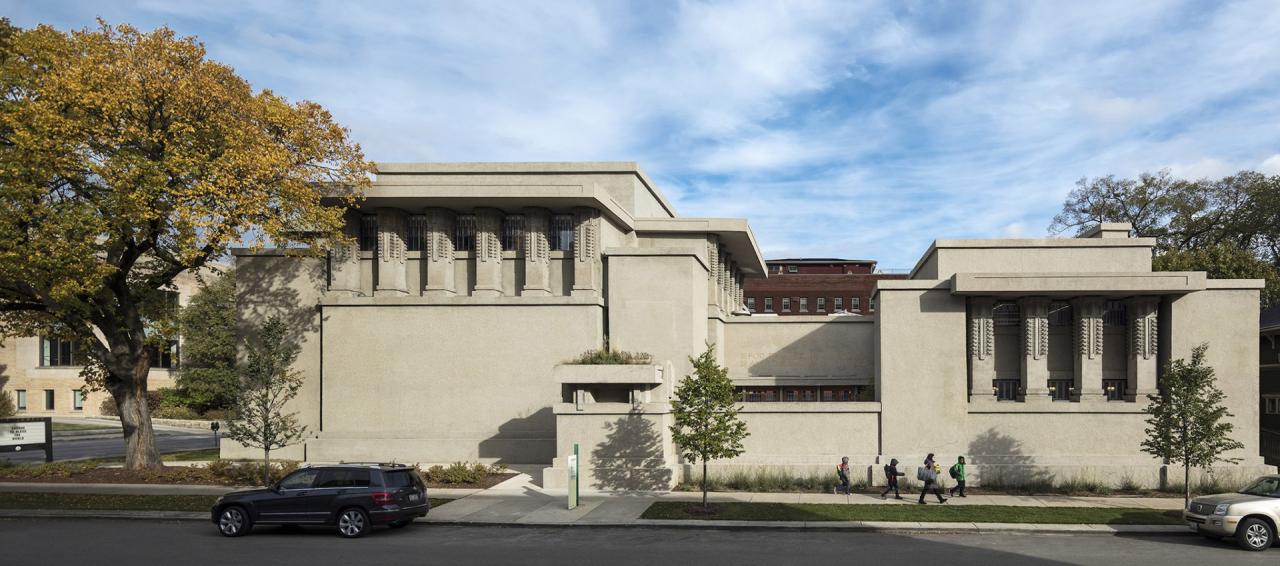
The building envelope plays a crucial role in architectural design as it serves as the interface between the interior and exterior environments of a structure. It not only protects the building from external elements but also contributes to its aesthetic appeal and energy efficiency.Unity Temple's building envelope is a standout feature of Frank Lloyd Wright's design.
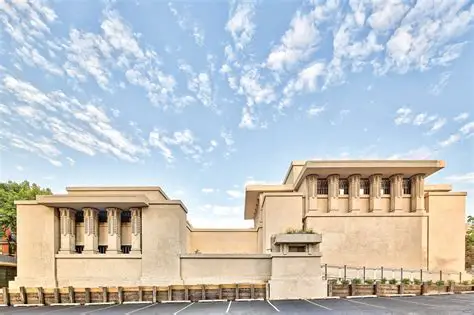
Known for its use of exposed concrete and intricate geometric patterns, the building envelope of Unity Temple showcases Wright's innovative approach to modern architecture. The use of reinforced concrete in the envelope allowed for large, open interior spaces without the need for supporting columns, creating a sense of unity and harmony within the structure.The building envelope of Unity Temple not only defines the exterior appearance of the building but also plays a key role in shaping the interior experience.
The geometric patterns and natural light filtering through the envelope create a dynamic interplay of light and shadow, enhancing the spatial quality of the interior spaces. Additionally, the envelope's thermal performance and insulation contribute to the building's sustainability and energy efficiency, aligning with Wright's vision of organic architecture.
Materials and Construction Techniques
Unity Temple's building envelope was constructed using innovative materials and techniques for its time.
Materials Used
- Concrete: Unity Temple utilized reinforced concrete in its construction, a relatively new material at the time. This allowed for a more open and spacious design without the need for bulky support columns.
- Stucco: The exterior of the building is covered in stucco, a durable and weather-resistant material that helped protect the concrete structure underneath.
- Art Glass: Frank Lloyd Wright incorporated art glass windows into the design, providing natural light while adding a decorative element to the building envelope.
Construction Techniques
- Cantilevered Design: Wright used cantilevered construction techniques to create the building's unique overhanging roof, allowing for a dramatic and innovative architectural feature.
- Exposed Concrete: The use of exposed concrete both internally and externally was a bold choice that showcased the material's versatility and strength.
- Precise Formwork: The construction process involved precise formwork to achieve the intricate geometric shapes and angles that define Unity Temple's design.
Comparison to Traditional Building Envelopes
Unlike traditional building envelopes of the time, which often relied on heavy masonry and ornate detailing, Unity Temple's materials and construction techniques embraced a more modern and minimalist approach. The use of concrete, stucco, and art glass set it apart from the more traditional brick and stone buildings of the era, showcasing Wright's forward-thinking design philosophy.
Architectural Innovations
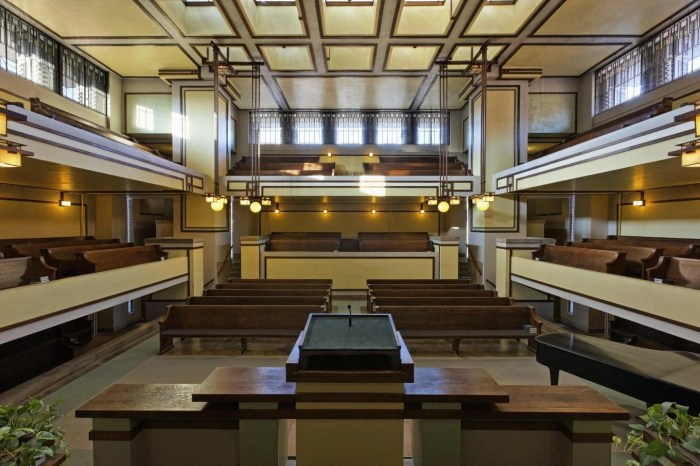
Unity Temple's building envelope is known for its groundbreaking architectural innovations that have significantly influenced modern architectural practices and subsequent developments. The design of Unity Temple, created by Frank Lloyd Wright, showcases several key innovations that have left a lasting impact on the architectural world.
Open Plan Design
One of the most notable innovations of Unity Temple is its open plan design, which eliminates the need for traditional partitions and creates a sense of spaciousness and unity within the space. This innovative approach to spatial organization has been widely adopted in modern architecture, influencing the design of residential and commercial buildings around the world.
Exposed Concrete Construction
Unity Temple's use of exposed concrete construction was a bold choice at the time of its construction, challenging conventional ideas about building materials and aesthetics. This innovative use of concrete not only provided structural integrity but also added a unique visual texture to the building's exterior, inspiring architects to explore the creative potential of this versatile material in their own projects.
Integration of Natural Light
Frank Lloyd Wright incorporated innovative techniques to maximize the use of natural light within Unity Temple, including the use of skylights, clerestory windows, and light wells. This emphasis on natural lighting not only enhances the interior spaces of the building but also promotes a connection to the surrounding environment, setting a new standard for sustainable design practices in architecture.
Horizontal Emphasis
Unity Temple's horizontal emphasis, characterized by long, low-slung lines and flat roofs, represents a departure from the traditional verticality of many buildings of the time. This innovative design element creates a sense of harmony with the surrounding landscape and has influenced the development of modernist architecture, with many architects adopting a similar horizontal emphasis in their designs.
Organic Architecture
The design of Unity Temple reflects Frank Lloyd Wright's philosophy of organic architecture, which seeks to create buildings that are in harmony with their natural surroundings. This innovative approach to design considers the relationship between the built environment and the natural world, inspiring architects to create structures that are not only aesthetically pleasing but also environmentally sustainable.
Environmental Considerations
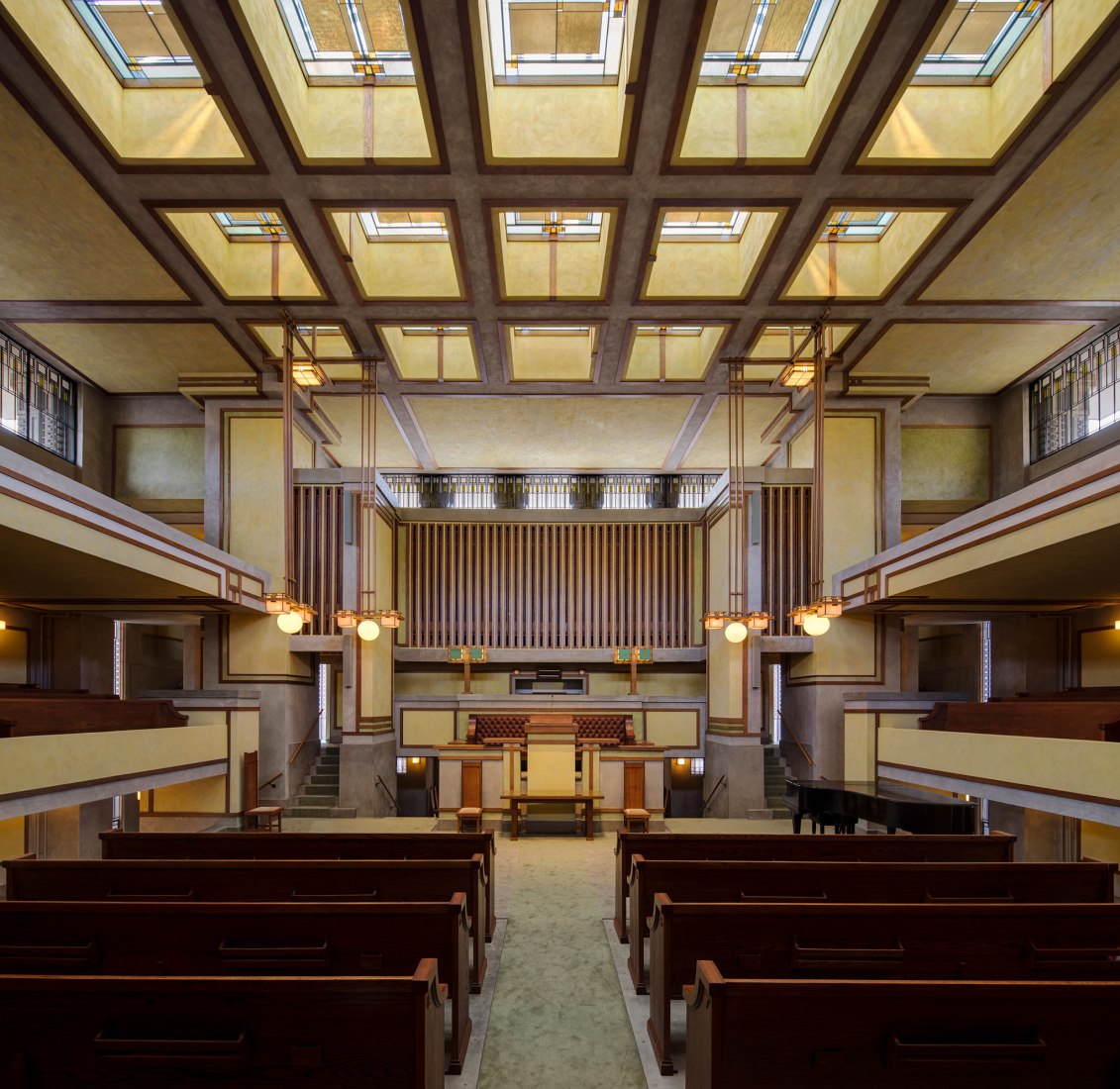
Unity Temple's building envelope has been designed with several environmental considerations in mind, aiming to minimize its impact on the surrounding ecosystem and reduce its carbon footprint. The integration of sustainable design elements plays a crucial role in achieving these goals.
Energy Efficiency Features
Unity Temple incorporates various energy-efficient features into its building envelope to minimize energy consumption and decrease operational costs. These include high-performance insulation materials, efficient HVAC systems, and strategically placed windows to maximize natural light and ventilation. The design also utilizes passive solar techniques to harness the sun's energy for heating and lighting, further reducing the building's reliance on artificial energy sources.
Sustainable Design Elements
In comparison to contemporary green building standards, Unity Temple's sustainable design elements set a high bar for environmentally conscious architecture. The use of recycled and locally sourced materials, water-saving fixtures, and green roofs contribute to the building's overall sustainability. Additionally, the incorporation of renewable energy systems, such as solar panels and geothermal heating, further enhance its eco-friendly credentials.
Environmental Impact Reduction
Unity Temple's building envelope not only focuses on energy efficiency but also aims to reduce its overall environmental impact. By implementing rainwater harvesting systems, green spaces, and permeable paving, the building helps manage stormwater runoff and promotes biodiversity in the urban environment.
These initiatives showcase a holistic approach to sustainable design that goes beyond energy efficiency to encompass broader ecological considerations.
Final Summary
In conclusion, the discussion on Unity Temple’s Building Envelope: Design Insight unveils a tapestry of architectural excellence and environmental consciousness, leaving a lasting imprint on the realm of design and sustainability.
Helpful Answers
How does the building envelope contribute to the overall design of Unity Temple?
The building envelope of Unity Temple plays a crucial role in defining the aesthetic appeal and structural integrity of the architectural masterpiece, harmonizing form and function seamlessly.
What materials were used in constructing Unity Temple’s building envelope?
Unity Temple’s building envelope primarily utilized reinforced concrete, art glass, and stucco, showcasing a blend of durability and artistic expression in its construction.
What architectural innovations set Unity Temple’s building envelope apart?
Unity Temple’s building envelope introduced innovative use of cantilevered roof forms and skylights, revolutionizing architectural practices of the time and inspiring modern design approaches.
How does Unity Temple address environmental concerns through its building envelope?
Unity Temple incorporates energy-efficient features in its design, such as natural daylighting and passive solar heating, aligning with sustainable design principles and contemporary green building standards.